

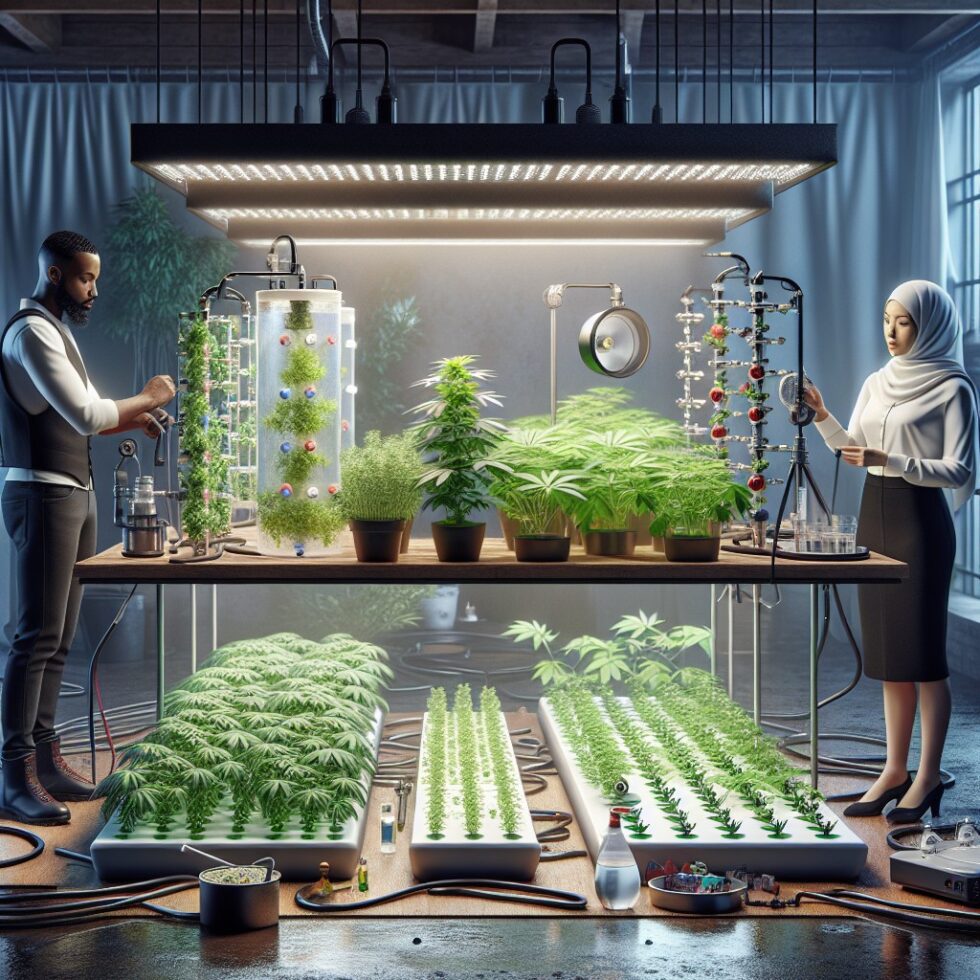
Hydroponics is finally approachable at home. You can grow crisp lettuce, fragrant basil, and even strawberries in a small corner with fewer pests and far more control than soil. The trick is not buying more gadgets. It’s picking a simple system, keeping the water stable, and adding a few safety nets so a missed day doesn’t ruin your roots.
This guide is a practical blueprint for a potato-sack budget or a neat cabinet. We’ll compare hydroponic systems you can actually run, show you how to size the reservoir and manage nutrients, and outline fail‑safes that keep your plants alive when pumps, outlets, or humans have a bad day. Along the way you’ll learn the small, boring habits that deliver big, repeatable harvests.
Start With Outcomes: What You Actually Want to Grow
Before parts-shopping, define your goal by crop and schedule. Different plants want different flows, light, and patience.
- Fast greens (30–45 days): Lettuce, spinach, Asian greens, arugula, herbs. Low light, low EC, compact footprints.
- Heavier fruiting crops (60–100+ days): Tomatoes, peppers, cucumbers, strawberries. More light, stronger trellising, tighter nutrient windows.
- Perpetual kitchen supply: Stagger plantings weekly for a steady harvest, rather than planting everything at once.
You don’t need a big rig to get real food. A single 60–100 L reservoir running eight lettuce heads and a rail of basil can outpace a typical family’s salad habit once it stabilizes.
Choose a System That Matches Your Attention Span
Three hydroponic patterns are popular at home. They all work, but they differ in complexity and forgiveness.
1) Deep Water Culture (DWC): Simple and forgiving
Plants float on rafts or net pots over a reservoir while an air pump and stone keep water oxygenated. There’s one tank, one pump, and fewer places to leak. DWC is excellent for leafy greens and herbs. For fruiting plants you’ll need larger net pots and a beefier air pump to keep roots well oxygenated.
- Pros: Easiest plumbing. Stable pH/EC thanks to larger volumes. Quiet operation when tuned.
- Cons: Heavy when full. Warmer root zones in summer can stress oxygen levels.
2) Nutrient Film Technique (NFT): Efficient and modular
Shallow channels flow a thin film of nutrient solution past roots. Great for high‑density greens. Channels are easy to inspect but more sensitive to pump failures because roots can dry faster.
- Pros: Very water efficient. Easy to add another channel for expansion.
- Cons: Channels must be level and clean. Air interruptions cause stress quickly.
3) Ebb and Flow (Flood and Drain): Flexible for mixed crops
Trays fill with nutrients on a schedule, then drain back to the reservoir. Works well for herbs and compact fruiting plants in media like clay pebbles.
- Pros: Roots get both nutrients and air naturally. Less algae in the root zone.
- Cons: More plumbing and valves. Requires a timer you trust.
If you’re new, start with DWC. You’ll learn pH, EC, and lighting on an easy mode. Add NFT channels later when you want more capacity in the same footprint.
Design the Reservoir and Plumbing for Stability
Water volume is your friend. It buffers mistakes and slows swings in nutrients and pH.
Right‑size the tank
- Leafy greens: About 6–8 L per mature plant is comfortable in DWC, less in NFT due to recirculation.
- Fruiting plants: Plan 15–20 L per plant to buffer uptake and keep EC stable.
Use opaque food‑safe containers. Light leaks fuel algae. Black or dark gray reservoirs cut maintenance. Fit a tight lid that supports net pots and blocks light into the solution.
Quiet, reliable aeration and flow
- Air pump sizing: Target 0.5–1 L/min of air per liter of nutrient solution for DWC. Overdo it slightly for warm rooms.
- Stones and lines: Use larger air stones for fine bubbles and silicone tubing for longevity. Add a check valve to prevent back‑siphon during power cuts.
- Return lines: In NFT/ebb systems, give drains a gentle slope. Oversize returns to avoid clogs.
Root zone temperature
Healthy roots sit at 18–22°C. Above 24–25°C dissolved oxygen drops fast and stress creeps in. If your room runs warm, aim a fan at the reservoir or freeze small water bottles to float during heat waves. In cooler basements, keep an aquarium heater handy but insulated from roots and away from air stones to avoid pH micro‑swings.
Lighting You Can Trust, Without the Guesswork
Plants care about photons more than watts. Look for lights that specify PPFD (micromoles of photons per square meter per second) and total daily light integral (DLI). You don’t need a stadium rig for lettuce.
Targets that work
- Leafy greens & herbs: 100–250 µmol/m²/s PPFD for 12–16 hours/day (DLI ~8–14 mol/m²/day).
- Fruiting crops: 400–700 µmol/m²/s PPFD for 12–16 hours/day (DLI ~20–35 mol/m²/day).
Most modern full‑spectrum LED bars or boards can hit these numbers at 20–45 cm above the canopy. A cheap lux meter or phone app won’t be precise, but it’s good for relative checks when you adjust height. When unsure, start gentler and watch leaves. Pale, tight growth suggests more light. Stretchy, dark leaves suggest too little.
Heat and safety
- Run LEDs with a small fan across heatsinks to extend life and stabilize output.
- Hang lights from secure anchors; indoor plants get top‑heavy during late growth.
- Use GFCI‑protected outlets with drip loops on every cord. Water will find a way; plan for it.
Nutrients, pH, and EC: The Simple, Repeatable Routine
Hydroponics sounds like chemistry, but you mostly need clean water, stable pH, and consistent EC. Stick to a proven, balanced 2‑ or 3‑part nutrient line. Avoid chasing exotic additives until your core routine is boring in the best way.
Water first
- Source water: If tap water is hard or chloraminated, use a simple RO filter or buy distilled. Hard water shifts pH and can lock out nutrients.
- Sanitation: Rinse reservoirs and tools between grows. A dilute peroxide rinse helps knock back biofilm.
Set the range and hold it
- pH targets: 5.8–6.2 for most crops. Measure at least every 2–3 days at first.
- EC targets (mS/cm): 0.8–1.2 for leafy greens; 1.8–2.5 for fruiting crops. Plants absorb water faster than salts; top‑ups should be plain water unless EC is falling.
Use a reliable pH pen and EC meter, and calibrate monthly. Temperature shifts can skew readings, so measure at room temperature for consistency.
Mixing order and top‑ups
- Fill the reservoir with water, add nutrients part A, stir, then part B. Never mix concentrates undiluted.
- Check EC, then pH. Adjust slowly with pH‑down or pH‑up in small increments.
- Top up with water daily or every other day to the same fill line; adjust pH after the top‑up.
- Do a full reservoir change every 10–14 days for greens, 7–10 days for fruiting plants in heavy feed.
Air, Humidity, and Smell: Make the Room Work for the System
Plants eat light and water, then exhale humidity. Keep air moving, leaves dry, and your room will run cleaner and cooler.
Ventilation and airflow
- Air exchange: A small inline fan or open window cycle reduces mildew risk and replenishes CO₂.
- Canopy fans: Gentle movement strengthens stems and prevents microclimates.
Humidity and temperature
- Greens: 40–60% RH is fine; keep room temps 18–24°C.
- Fruiting crops: Aim 40–55% RH to limit blossom end rot and fungal pressure.
Dehumidifiers create heat; plan their placement and condensate draining. In small grows, a simple schedule of lights‑on during cooler hours can avoid humidity spikes.
Fail‑Safes That Save Crops
Most hobby hydro failures trace to three things: pump stops, power cuts, or human forgetfulness. Add these low‑key protections and your system becomes resilient.
Electrical and water safety
- Install GFCI outlets or plug‑in GFCI adapters. Use drip loops on every cord so water falls away from outlets.
- Mount power strips above splash zones. Keep junctions off the floor and label them.
- Secure hoses and airline with clips; add double clamps on critical lines.
Power continuity
- DWC: A small UPS powering the air pump for 2–4 hours can bridge brief blackouts. Prioritize air over lights during outages.
- NFT/Ebb: UPS for the circulation pump and timer is essential; roots dry faster without flow. Program lights to safely stay off if power returns mid‑cycle.
Water level and overflow
- Add a float indicator or sight tube on the reservoir so you notice unusual drawdown or overfill.
- Use a tray or secondary containment under reservoirs for spill insurance.
- In ebb systems, test flood cycles and ensure drains outpace fill rates.
Routine that catches trouble early
- Set two weekly reminders: midweek nutrient check and weekend maintenance.
- Keep a log of EC, pH, temperature, and any tweaks. Patterns tell stories that guesses miss.
- Train a friend or family member with a two‑step checklist for when you travel.
Cleanliness and Plant Health Without Drama
Hydroponics removes soil‑borne problems but trades them for biofilm and algae if you slack on cleaning and light control. Keep it simple and regular.
Between‑crop reset
- Scrub reservoirs, lines, and stones with warm soapy water, rinse, then a dilute peroxide rinse.
- Soak air stones or replace if flow drops. Biofilm hides inside.
- Wipe the underside of lids and net pot collars; that’s where algae loves to start.
Leaf and root checks
- Look for tip burn (often too much light or EC) and chlorosis (iron lockout, pH drift).
- Healthy roots are white to cream. Brown, slimy roots suggest heat stress or low oxygen; increase aeration and reduce reservoir temp.
Integrated pest habits
- Quarantine new seedlings for a week. A single aphid hitchhiker can launch a colony.
- Keep leaves dry. Most foliar sprays are unnecessary if airflow and humidity are right.
- Sticky cards near intakes catch fungus gnats early.
Crop Planning: Staggered Plantings and Harvest Windows
Hydroponics shines when you seed little and often. That keeps the canopy in balance and spreads light and nutrients over plants that are actually eating them.
Seeding rhythm
- Greens: Start 4–8 plugs weekly. Transplant to the system after 10–14 days when roots show.
- Herbs: Sow fuller plugs and thin later. Basil likes snug roots initially.
- Strawberries: Use runners or bare‑root crowns; fruit in cycles. Keep separate from heavy‑feeding tomatoes.
Yield sanity checks
- Lettuce heads: 150–300 g each in 30–45 days depending on variety and light.
- Basil: 30–60 g per plant every 10–14 days once established if you harvest by topping, not stripping.
- Cherry tomatoes: 0.5–1.5 kg per plant per month at peak in strong light, with proper trellising and pruning.
Starter Parts and Sane Budgets
You can build a dependable small system without breaking the bank. Spend where it matters: lights, reservoir, meters.
Core components for a 4–8 plant greens DWC
- Opaque 60–100 L reservoir with lid and 6–8 net pot holes (2–3 inch pots for greens).
- Air pump (10–30 L/min), two large air stones, silicone tubing, check valves.
- Full‑spectrum LED 100–200 W total, adjustable height hangers, timer.
- Two‑part hydroponic nutrients, pH up/down, measuring syringes.
- Reliable pH and EC meters with calibration solutions.
- Clip fan for canopy airflow, GFCI adapter, spill tray.
Optional quality‑of‑life adds
- UPS sized for your air or circulation pump (aim for 2–4 hours runtime).
- Float sight tube for quick water level checks.
- Seedling tray with humidity dome and heat mat for consistent starts.
Tuning by Signals: Read What Plants Tell You
Instrumentation helps, but plants are the final metric. Combine a short checklist with quick visual cues.
Daily 60‑second check
- Feel the leaf: firm and cool is good; limp or hot needs airflow or light adjustment.
- Glance at sight tube: top up if down more than a few centimeters.
- Quick EC and pH probe dip twice a week, daily during heat waves.
If something looks off
- Leaves curling down: Possible overfeeding or high EC; dilute with plain water.
- Yellowing between veins: Iron uptake issues; bring pH down gently to 5.8–6.0.
- Algae bloom in channels: Block stray light, scrub, and cover translucent sections.
Food Safety and Harvest Habits
Hydroponic produce is clean, but your hands, tools, and surfaces still matter.
- Wash hands and shears before harvest. Keep a small spray bottle of dilute alcohol for tools.
- Rinse leaves in cool water and spin dry. Store in sealed containers with a dry paper towel.
- Harvest morning or lights‑on for crisper texture and better shelf life.
Scaling Up Without a Tangle
As you get comfortable, you can expand without remaking the wheel. Keep the same playbook: shared reservoirs, simple flows, and repeatable maintenance.
Modular growth
- Add a second NFT channel fed by the same reservoir and pump for more greens.
- Create a separate fruiting bay with higher PPFD and its own reservoir; mixing greens and tomatoes in one tank complicates EC and pH.
Automation that actually helps
- Smart plugs on lights and pumps with schedules you back up on paper.
- Float switch alarms that ping your phone if the level drops unexpectedly.
- Inline filters on returns to catch root hairs and debris before they clog.
Skip exotic dosing pumps until you’re out of patience with manual mixing. Dosing adds moving parts and new failure modes. Master consistency first.
Common Pitfalls (and Quick Fixes)
- Chasing perfection: Don’t adjust pH every hour. Let it drift within 5.7–6.3 and watch the trend.
- Warm roots, sad plants: In heat waves, dim lights slightly, increase airflow across the reservoir, and top up with cooler water.
- Foamy reservoir: Excess organics or contamination. Swap solution and clean lines; avoid sugary additives.
- Uneven growth: Rotate plants weekly under lights and standardize transplant sizes.
- Pump noise: Place air pumps on a foam pad to reduce vibration; lift them above waterline to prevent backflow.
Why This Works
Home hydroponics wins with control and repeatability. Soil is wonderful outdoors, but inside you want predictable light, clean water, and the same handful of steps each week. Keep volume high and schedules simple. Protect against the obvious failures. Read the plant more than the forum thread. The reward is crisp food on your counter and a system you trust to keep producing.
Summary:
- Pick a system that fits your attention: DWC for simplicity, NFT for efficiency, ebb and flow for flexibility.
- Right‑size reservoirs to buffer pH and EC; keep root zones at 18–22°C with good aeration.
- Light to PPFD/DLI targets instead of watts; adjust height and hours based on leaf response.
- Run a steady nutrient routine: clean water, measured EC, pH 5.8–6.2, and regular top‑ups.
- Move air to control humidity; use GFCI, drip loops, and a UPS for pumps to ride out interruptions.
- Clean between grows, watch roots and leaves, and seed small batches weekly for continuous harvests.
- Scale by adding channels or a separate fruiting bay; automate only what reduces real workload.