

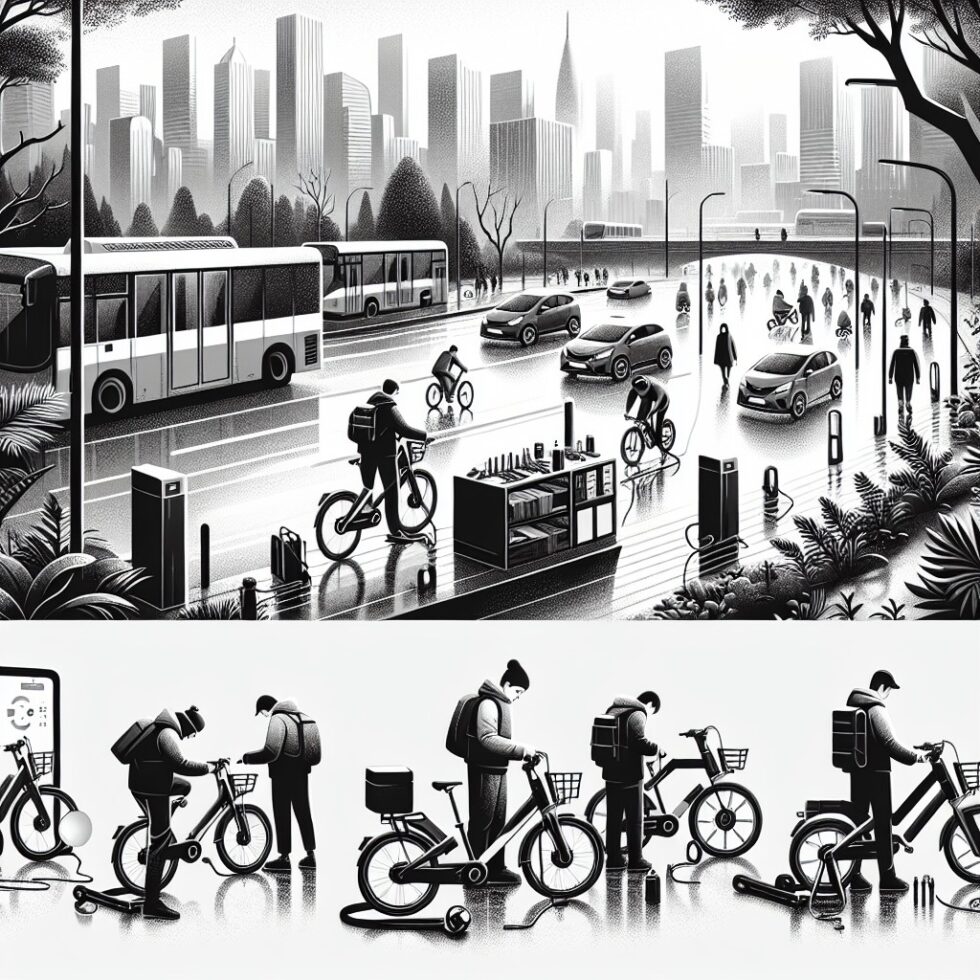
Why eBike Commuting “Sticks” (and When It Doesn’t)
Many people buy an eBike, ride it for a few weeks, and then stop. The reasons are predictable: storage hassles, charging anxiety, wet or cold mornings, and fear of theft. The fix is not buying the most expensive bike or chasing specs. It’s building a simple, repeatable system that makes every ride feel easy. This article gives you that system. We’ll cover security that actually works, safe charging, weatherproofing, maintenance that takes minutes, and a 30‑day plan that turns rides into a habit.
Whether you’re moving five miles in a flat town or crossing a hilly city twice a day, the same principle applies: reduce friction. When your gear, route, and routine are streamlined, the ride becomes the default. Missed buses, crowded trains, and traffic jams fade into the background. Let’s make your eBike commute stick.
Pick the Right eBike for Daily Use
Motor behavior and ride feel
Forget fancy numbers for a moment. What matters most is assistance feel. Two features define it:
- Sensor type: Torque sensors respond to how hard you push, which feels natural and helps control speed in traffic. Cadence sensors respond to whether you’re pedaling at all; they’re simpler and often cheaper, but can feel on/off. If you ride in busy streets or mixed paths, a good torque sensor is worth it.
- Motor placement: Mid‑drives amplify your pedaling through the gears, improving hill climbing and efficiency; they’re great for hilly commutes and cargo. Hub motors are simpler, cheaper, and fine for moderate hills and flat city riding. For most short urban commutes, a reliable rear hub with a torque sensor is a sweet spot.
Battery and realistic range
Battery size is measured in watt‑hours (Wh). Roughly, expect 10–20 Wh per mile depending on speed, hills, rider weight, and assist level. That means a 500 Wh battery covers about 25–50 miles between charges. Range claims vary wildly, so test ride your route or pick a battery that covers your commute twice with a buffer.
Look for easy battery removal and a charger that can be replaced or upgraded. A removable battery makes indoor charging and winter storage simple. Consider a spare charger to leave at work.
Brakes, tires, and comfort
- Brakes: Hydraulic disc brakes require less hand force and offer predictable stopping in rain. They’re a clear upgrade for daily riders.
- Tires: Choose puncture‑resistant tires (look for “Plus”, “Protection”, or “Guard” lines) with reflective sidewalls. Slightly wider tires (e.g., 2.0–2.4 inches) absorb bumps and keep you fresher.
- Comfort: Flat bars with ergonomic grips, an adjustable stem, and a saddle that fits your sit bones help you stay relaxed. If you carry loads, a suspension seatpost can add comfort without the complexity of fork suspension.
Service and support
Daily riders need predictable service. Check if a local shop supports your brand and motor system. Mid‑drives from major makers are widely supported; some direct‑to‑consumer bikes have great prices but limited service networks. If you can, test how the brand handles parts and warranty communication before you buy.
Security That Actually Works in Cities
Layered security beats single locks
Theft kills eBike habits. Stop worrying with a simple, layered approach:
- U‑lock plus secondary: Combine a hardened U‑lock on the frame with a chain or folding lock around a wheel and frame. Always lock to something immovable; no signposts that lift out.
- Secure the small stuff: Use security skewers or axle nuts instead of quick releases for wheels. Add a small cable for your saddle rails or use a seatpost clamp with a theft‑resistant bolt.
- Reduce visible value: Remove displays, batteries, or seats when you’ll be out of sight for hours. A small top‑tube bag can carry these parts.
Smart placement and technique
Keep the U‑lock as high off the ground as possible to prevent leverage attacks. Fill the shackle’s space to deny room for tools. Lock the rear triangle and rear wheel in one go using a U‑lock, then secure the front wheel with the secondary lock. Practice at home so you can lock quickly in public without fumbling.
Tracking, registration, and recovery
Add a hidden tracker. GPS or cellular trackers offer live position but need charging and data plans. Bluetooth crowd‑find tags (like AirTag or Tile) ride on other people’s phones to report location. Hide trackers in the frame, under the saddle, or inside accessory mounts. Use two if theft is common where you live.
Photograph the bike and serial number. Register it with a public registry and your local department if available. If stolen, file a police report, mark it stolen online, and contact nearby shops. Avoid confrontations—coordinate with law enforcement.
Charging Without Drama
Basics that prevent headaches
Most eBike chargers output 2–4 amps; slower charging is gentler on cells. If time allows, charge at 2 amps or use an adjustable charger. Keep the battery dry; wipe it before charging. Do not cover the charger—let it breathe.
Fire safety and standards
Lithium‑ion batteries deserve respect and a few simple rules:
- Don’t charge unattended overnight. Set a timer or plug in when you’re around.
- Use the charger the manufacturer provides or a compatible one they approve.
- Store and charge on a non‑flammable surface, away from exits. A metal tray or concrete floor works well.
- Keep batteries between 20–80% for daily use if your system allows it; fully charge before long rides, not every day.
- Avoid physical damage. If a battery is dropped, punctured, smells sweet/solvent‑like, gets hot, or swells, stop using it and contact the maker or a qualified shop.
Look for systems tested to UL 2849 for eBike electrical systems or comparable safety standards. Many cities publish detailed guidance on lithium‑ion safety; the advice is practical and worth following.
Charging at work and shared spaces
Ask your workplace for a dedicated outlet near bike storage. It reduces cable runs and trip hazards. If you must use an extension cord, pick a heavy‑duty grounded one and never daisy‑chain power strips. Put your name and phone number on your battery and charger so building staff can reach you if needed.
Weatherproofing, Clothing, and Cargo
Rain setups that keep rides pleasant
Full‑coverage fenders with mud flaps transform wet rides. Add a waterproof jacket with a drop tail, shoe covers or waterproof socks, and a lightweight helmet cap to block wind and rain. Waterproof panniers beat backpacks for comfort; your back stays dry and cool. After wet rides, wipe your chain and apply a wet‑condition lube to prevent rust.
Cold and heat tips
Cold weather reduces battery output. Keep the battery indoors until you ride, and start in a lower assist mode for the first 5–10 minutes. In heat, avoid leaving the bike in direct sun for hours; shade helps the battery and your saddle. In winter, studded tires are a huge upgrade on icy days—if your route demands it, they’re worth the swap.
Lights and visibility
Run lights day and night. Look for a front light with a cut‑off beam that doesn’t dazzle oncoming traffic, and a rear light that’s visible from angles. Reflective tire sidewalls, reflective ankle bands, and a reflective patch on your bag add visibility where drivers look.
Cargo and child carrying
Rear racks with panniers handle most commutes. For grocery runs, add a front basket with a sturdy mount so it doesn’t sway. Keep heavy items low and balanced between sides. If carrying kids, use a system rated for the load with proper foot protection and a child helmet. Practice starts, stops, and slow turns before entering traffic with passengers.
Maintenance That Keeps You Rolling
Weekly five‑minute checklist
- Tires: Inflate to the recommended range; check for cuts or embedded glass. Lower pressure adds comfort; higher pressure adds efficiency—stay within the safe range printed on the sidewall.
- Brakes: Squeeze levers; they should feel firm. Look for pad wear indicators or inspect pad thickness. Listen for rub and adjust calipers if needed.
- Chain: Wipe and lube lightly; spin the cranks to distribute and wipe excess.
- Bolts: Check the stem, bars, rack, and fender bolts for snugness. Use a small torque wrench if you have one.
- Electrics: Check connectors for moisture or looseness, especially on external motor systems. Update firmware when prompted by the manufacturer’s app or shop.
Chain vs belt
Chains are universal and easy to service. Replace at about 0.5–0.75% elongation to protect your cassette and chainring. Belts are clean and low‑maintenance but require compatible frames and correct belt tension. If you commute in all weather and want less mess, a belt with an internal gear hub is a solid option.
Brakes and tires
Expect to replace pads every 1,000–3,000 miles depending on hills and riding style. Hydraulic systems need a bleed every 1–2 years or if levers feel spongy. Tires with puncture protection and sealant inside tubes cut flats drastically. If you ride through debris‑heavy areas, consider tubeless setups on compatible rims for self‑sealing punctures.
Keep water out
eBikes are designed for rain, but avoid pressure washers. If you hose the bike, keep it gentle and avoid direct spray at bearings, motor ports, and connectors. After heavy rain, lightly dry connectors and apply dielectric grease if recommended by your manufacturer.
Route Planning and Riding Skills
Find low‑stress routes
Fast is not always best. Low‑traffic streets, protected lanes, and greenways offer fewer stressful decisions and reduce the risk of incidents. Hills drain batteries; try routes with gentler grades even if they’re slightly longer. Map apps with bicycle layers help, but trust your eyes: pre‑ride on a weekend to scout tricky intersections and construction sites.
Etiquette and local rules
eBike classes differ by location. Class 1 (pedal assist, 20 mph max) and Class 2 (throttle, 20 mph) are the most common for mixed‑use paths; Class 3 (28 mph assist) is often road‑only. Respect posted rules and keep speeds reasonable near pedestrians. A bell or gentle “on your left” goes a long way. Set assist levels so you’re not creeping up behind someone at twice their speed.
Parking and storage planning
Before your first commute, choose a default parking spot at work and at home. Visualize where the locks go and how you’ll remove the battery, if needed. If your building offers a bike room, ask about requirements (registration stickers, lock policies) and whether they allow charging inside.
Cost of Ownership and Insurance
What you’ll really spend
Electricity is cheap—often pennies per charge. Expect to replace the battery after several hundred to over a thousand charge cycles, depending on use and care. Chains, cassettes, and brake pads are routine consumables; budget a small monthly amount for wear items. Good locks are a one‑time investment that pays for itself in avoided grief.
Insurance and registration
Check your homeowners or renters policy for bicycle coverage limits and eBike exclusions. Some insurers offer eBike‑specific policies covering theft, damage, and liability. Register your bike with a national registry and your local program if available; it’s often free and increases recovery odds.
Troubleshooting on the Road
Carry a tiny toolkit
- Mini pump or CO2 inflator plus tire levers, a patch kit, and one spare tube that matches your tire size and valve type.
- Multitool with 3–6 mm hex keys, Torx T25 if your rotors use it, and a Phillips screwdriver.
- Master link for your chain speed. If your drivetrain has a belt, carry a small belt‑tension gauge or know your bike’s tension procedure.
- Small rag and gloves to keep hands clean.
Common glitches and quick fixes
- Assist cuts out unexpectedly: Check magnet/sensor alignment near the rear wheel or crank, and verify the display shows speed. Reseat quick‑disconnect motor cables.
- Display won’t power on: Make sure battery contacts are clean and seated. Try the second battery if you have one, or power cycle the system.
- Squealing brakes: Clean rotors with isopropyl alcohol; if pads are contaminated, sand lightly or replace.
- Wobble at speed: Check wheel tension (spokes) and rack bolts. Redistribute bag weight lower and more evenly.
Riding home without assist
If the system fails, you can still pedal home. Drop to a lower gear, turn lights to low, and ride at an easy pace. This is where light, efficient tires and a sensible gear range save the day. Keep emergency transit options in mind—know the nearest train stop or bus line that allows bikes.
A 30‑Day Plan to Make It Stick
Week 1: Set up your system
- Dial in cockpit fit, fenders, and lights. Install your lock combo, security skewers, and a bell.
- Pick a storage spot and charging routine at home. If possible, get a workplace outlet approved.
- Scout two route options—one direct, one lower‑stress—with a weekend test ride.
Week 2: Start small
- Commute two days. Stick to your plan: lock the same way, charge at the same time, store in the same spot.
- Note any friction points. Do you need a different bag? Are your gloves warm enough?
Week 3: Add weather
- Pick a mild rainy day and ride with full fenders and rain gear. Practice chain care afterward.
- Try your alternate route during rush hour and note any tricky intersections.
Week 4: Optimize
- Adjust tire pressure for comfort vs speed. Tune assist levels so you’re not overusing turbo mode.
- Set calendar reminders for your weekly five‑minute check and monthly deep clean.
- Register your bike, finalize insurance, and place a hidden tracker if theft is a concern.
Tiny Upgrades With Big Payoffs
- Helmet mirror or bar‑end mirror: See overtaking traffic without turning your head.
- Kickstand upgrade: A sturdy double‑leg kickstand makes loading groceries or kids far easier.
- Bell with pleasant tone: People respond better to a friendly ring than a shout.
- Chain keeper or frame protector: Reduce dropped chains and paint chips.
- Quick‑dry towels and spare socks at work: Small comfort, big morale boost on wet days.
Mindset: You’re Building a Routine, Not a Record
Forget fastest times and wattage. The magic of eBike commuting is consistency. Set your gear out the night before, plug in with intention, and leave five minutes earlier than you think you need to. Your rides become quiet, predictable bubbles in a noisy day. You’ll arrive focused and energized, without thinking much about it. That’s the goal: less drama, more riding.
Summary:
- Choose an eBike with a torque sensor for natural assist and brakes/tires that favor safety and comfort.
- Use layered security: U‑lock plus secondary, secure small parts, add hidden trackers, and register your bike.
- Charge safely: avoid overnight unattended charging, use approved chargers, and store on non‑flammable surfaces.
- Prepare for weather with fenders, waterproof panniers, visible lights, and smart cold/heat practices.
- Follow a five‑minute weekly maintenance routine for tires, brakes, chain, bolts, and connectors.
- Plan low‑stress routes, ride with polite etiquette, and know your parking/storage plan.
- Budget for consumables, consider eBike insurance, and keep documents and serials handy.
- Carry a tiny toolkit and know quick fixes for common glitches and how to ride home without assist.
- Use the 30‑day plan to build a habit: setup, start small, add weather, and optimize.