

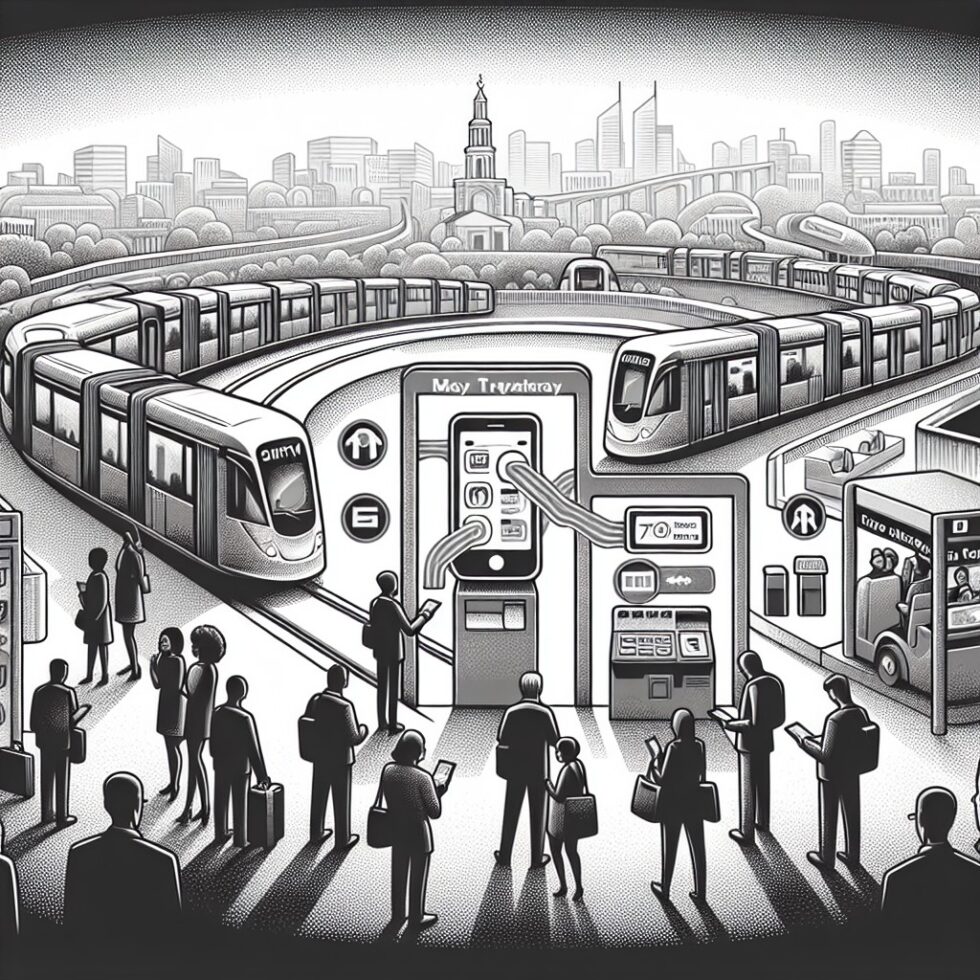
Transit riders have made up their minds. If a shop lets them tap a bank card or wallet to pay, buses and trains should too. Agencies that have stayed with proprietary cards or QR codes only now face a clear demand: open-loop contactless that accepts major cards and mobile wallets. Delivering it is less about chasing hype and more about quiet, solid engineering. This guide shows how to roll out open-loop payments that work every day, with the features riders expect and without overcomplicating operations.
What “open-loop” means (and what it doesn’t)
Open-loop payments let riders pay fares using contactless bank cards and mobile wallets (Visa, Mastercard, Amex, Apple Pay, Google Pay, and others). The “loop” is the global card network, not your agency’s closed system. Most successful projects are built on account-based ticketing (ABT), where your back office applies fare rules to a rider’s taps instead of writing value onto a stored card.
Three practical principles keep open-loop deployments sane:
- cEMV at the edge, ABT in the core. Readers speak EMV contactless so they can take taps from bank cards and device wallets. Your ABT engine computes fares, transfers, and caps after the tap.
- Tokenize early, minimize travel data. Hash or tokenize the card number (PAN) as soon as possible. Keep only what you need to compute fares and handle disputes, then expire it fast.
- Fare policy and payments are separate. Policy lives in the ABT brain; payments in the acquiring stack. Keep those modules cleanly separated so either can change without a system rewrite.
Open-loop vs. closed-loop
You probably still need closed-loop options for discounts, kids, and cash. That’s fine. The long-term win is one account-based model that sees both closed-loop IDs and open-loop tokens, with a single set of fare rules and reports. Keep the media diverse; keep the logic centralized.
Hardware that doesn’t fight you
Tap-to-enter sounds simple. In a moving bus, at a crowded station, in winter gloves, it isn’t. Choose validators and installation plans for real conditions.
Readers and antennas
- Hit speed targets. Aim for sub-400 ms “tap to beep” for mobile wallets and cards. Latency adds up at peak times.
- Design for reach and angle. Riders will present screens and cards at awkward angles. Use tuned antennas and housings to widen the “good read” zone.
- Mitigate card clash. Multi-card wallets are normal. Tune field strength and place signage: “Hold a single card or phone to the reader.” Device wallets with Express Transit help, but can’t fix everything.
Security elements you can live with
- Certified kernel, stable firmware. Pick readers with EMV contactless certifications and a vendor with predictable update cycles. You want security patches without surprise UX changes.
- Hardened OS and logging. Readers should store only masked data locally and rotate logs. Push diagnostics to a secure fleet manager, not someone’s laptop in the depot.
- Offline operation. Plan for intermittent connectivity. Readers should queue taps for minutes to hours. Your policies should define how long you’ll accept taps without live authorization.
Staging and spares
Run a bench lab with production readers, fare tables, and test cards. Burn in units for days before fielding. Stock spares and preconfigure them so swaps don’t need a specialist on site.
Fare logic riders actually understand
Open-loop wins when riders stop thinking about how to pay. That means fare capping and transfers that “just work” across modes and days.
Capping basics
- Daily and weekly caps. The rider never pays more than a pass would have cost. First rides cost full fare, later rides auto-discount until the cap is reached.
- Mode-aware caps. You can cap differently for bus, rail, and ferry. Keep it simple and publish examples.
- Edge case clarity. Explain how overnight lines count toward daily/weekly caps and how transfers apply when clocks cross midnight.
Journey construction
If you have tap-on/tap-off, build a journey window that pairs taps. For tap-on only, approximate distance or zones if needed, then explain the heuristic to riders. The back office should tolerate missing taps with fair default charges and an easy self-service correction path.
Digital wallets vs. plastic cards
Device wallets often use a device PAN (DPAN) that differs from the card’s PAN. Your system should group DPANs and PANs that represent the same underlying account for caps and history. Device tokens can change after a card reissue. Build a reconciliation job that detects likely equivalences using network-provided metadata and recent journey patterns, then merge benefits without bothering the rider.
Risk and fraud without punishing good riders
Transit acceptance has unique risk patterns. You’re taking many small fares without chip-and-PIN. Don’t import retail’s rules unchanged.
Authorization strategy
- Soft authorizations. For frequent riders, you can run periodic “soft auths” to verify the card is still good and credit is available. Keep the amount small and predictable.
- Aggregation before clearing. Collect a day’s (or multi-day) rides per token and submit one clearing transaction. You’ll pay fewer per-transaction fees and avoid tiny line items on statements.
- Fallback flows. Decide how many taps you’ll accept after a failed auth. Many agencies allow a short grace period to reduce false declines from connectivity issues.
Hotlists and deny lists
Maintain a cryptographically signed hotlist that readers can use offline to block known-bad tokens. Sync it over the air daily. Keep it short to avoid performance hits. Rotate items off quickly to limit privacy risk.
Chargebacks done right
- Evidence packs. Prepare a standard set of data fields for disputes: token hash, date/time, reader ID, fare policy applied, tap logs, and any validation footage if you use gates. Keep no more than needed.
- Reason codes. Map common chargeback reason codes to your data. Automate responses where possible to keep operational costs low.
- Rider-first language. If a good rider disputes a charge, make it easy to refund and educate, rather than fight every case.
Proof-of-payment and inspection
Barrier-free systems need trustworthy inspection. Open-loop adds complexity because a rider’s “ticket” is their card or device.
- Inspector devices. Give handhelds online and offline lookup, masked token matching, and visual indicators that are unambiguous at a glance.
- Privacy by design. Inspectors should never see full card numbers. Show last 4 digits or device alias, and store only masked hashes in reports.
- Clear scripts. Train inspectors to guide riders: “Hold the same phone you tapped with.” Add signage that says the same thing.
Express Transit modes and “card clash”
Apple and Google support Express Transit (also called Express Mode), which lets a device pay at transit readers without unlocking. It speeds queues and reduces card clash in wallets. Two tips:
- Readers should signal transit mode. Configure correct terminal capabilities and merchant category so phones select Express Transit.
- Coach your riders. Publish a quick guide to enable Express settings on iOS and Android. Make it part of launch comms.
Handling multiple cards and devices
Card clash is real at busy doors. Use reader placement and field tuning to minimize reads from bags. Make your UI cadence clear: one beep and green light means “go.” Two beeps and amber means “try again.” Avoid mysterious multi-color disco patterns.
A 90-day launch blueprint
Open-loop doesn’t have to be a multi-year saga. Many agencies now go from concept to riders tapping in a few months by following a tight schedule and leaning on proven vendors.
Weeks 1–2: Align on scope and partners
- Pick your stack: validator vendor, system integrator, acquirer/processor, and ABT platform. Favor teams that have shipped open-loop in similar fleets.
- Define policy now: capping rules, transfer windows, fare by mode/zone, cash equity policy, and offline acceptance window.
- Compliance checklist: EMV contactless certifications for readers, acquirer onboarding, and data protection requirements.
Weeks 3–4: Build the lab and fare brain
- Bench lab: readers installed with production firmware, test cards and wallets, and a network emulator for flaky links.
- ABT setup: implement rules, capping, journey construction, and reconciliation for DPAN/PAN.
- End-to-end logs: trace IDs from tap to fare to clearing file. Mask in all non-secure systems.
Weeks 5–6: On-vehicle pilots
- Small route set: pick lines with high ridership and controlled depots. Stage hardware for quick swaps.
- UX drills: tune beep/light patterns and signage. Measure median tap time and first-tap success rate.
- Staff training: drivers, inspectors, and support teams get cheat sheets and escalation paths.
Weeks 7–8: Risk checks and wallet polish
- Fraud rehearsals: simulate lost card, expired card, and chargeback flows. Validate hotlist updates and offline behavior.
- Express Transit tests: verify Apple and Google wallet flows across device models.
- Accessibility passes: ensure readers work with gloves, low vision cues, and consistent audio feedback.
Weeks 9–10: Marketing and policy rehearsal
- Plain-language guides: “Tap and go,” “You’ll never pay more than a pass,” and “What to do if a tap fails.”
- Equity messaging: keep closed-loop and cash topping points, publish where to get prepaid contactless cards.
- Fare dispute self-service: a simple web form to fix journeys or request refunds.
Weeks 11–12: Gradual rollout
- Phased expansion: add routes in weekly waves. Watch KPIs and pause if a regression appears.
- Office hours: set a daily virtual war room with vendors for quick fixes.
- Publish metrics: share success rates and issue fixes. Transparency builds rider trust.
KPIs that keep you honest
Pick a short list of metrics your team reviews daily and weekly. They should reflect rider experience, not just back-office health.
- First-tap success rate. Share of taps that succeed on the first try. Target >98% after stabilization.
- Median and p95 tap time. Time from card present to green light. Keep median under 400 ms; watch the tail.
- Open-loop share. Percentage of trips paid with open-loop vs. closed-loop. Growth indicates rider confidence.
- Dispute rate and win rate. Track chargebacks per 10,000 taps and how often evidence leads to reversal.
- Cap adoption. Portion of riders who hit daily or weekly caps. If it’s low, your caps aren’t obvious or generous enough.
- Top device mix. iPhone, Android, and plastic card share. Use this to tailor comms and support.
Accessibility and equity aren’t optional
Open-loop isn’t a replacement for cash or concession programs. It’s a faster lane for those who can use it. Keep the network inclusive:
- Prepaid contactless options. Work with retail partners to sell reloadable contactless cards without bank accounts.
- Closed-loop continuity. Keep your existing card or barcode for discounts and those who prefer it. Open-loop should be additional, not exclusive.
- Interfaces that speak clearly. Audio tones, high-contrast lights, and simple signage help everyone.
Data minimization and privacy
Riders will trust your system when you collect less, not more. Make it concrete:
- Short retention. Keep tokenized identifiers only as long as needed for fare rules and disputes. Publish retention windows.
- Scoped analytics. Summarize trip patterns without re-identification. Separate operational analytics from rider identities.
- Security basics that matter. Encrypt in transit and at rest, restrict admin access, and audit your reader configs and back-office roles regularly.
Costs, contracts, and how to avoid lock-in
Open-loop mixes capital and operating expenses. Plan for both.
- Validator TCO. Budget for hardware, mounting, cabling, and multi-year support. Don’t forget spares and staging gear.
- Processing and interchange. Transit often benefits from specialized rates. Work with your acquirer to classify correctly. Monitor fees per 10,000 taps, not just total cost.
- Modular contracts. Separate reader supply, installation, ABT, and acquiring if possible. You want to upgrade one without rewriting all of them.
- APIs and data access. Ensure exportable, documented APIs for fares, taps, and clearing. You own your data (masked and compliant), not the vendor.
Integrating closed-loop, QR, and open-loop
Most agencies will run multiple media for years. Make that a strength:
- One ABT brain. Treat each media type as an identifier that attaches to a rider account or anonymous balance. Apply one set of rules.
- Unified customer service. A single portal where a rider can see their journeys, fix errors, and set preferences, regardless of medium.
- Marketing that invites, not confuses. “Tap a bank card or phone to ride. If you get a lot of rides, you’ll auto-cap.” Keep the rest in FAQs.
Testing that reflects the street
Certifications matter. So does stress-testing the weirdness you’ll meet on a rainy Tuesday at rush hour.
- L3 and beyond. Pass the formal EMV tests, then build your own aggressive suite: wet gloves, cracked screens, five phones in a row, bus shaking at idle.
- Time-skew tests. Readers with wrong clocks can break journey construction. Inject skew, see what breaks, then fix it.
- Wallet update storms. Device tokens rotate after card reissues. Simulate bulk changes and verify caps follow the rider.
After launch: iterate with real rider feedback
The first month will teach you more than the last six months of planning. Ship fast, then polish:
- Fix the top three pain points weekly. Bump readers that lag, clarify signage where lines form, and tweak fare windows that cause misses.
- Publish changes. A short “what we improved this week” builds trust and encourages more riders to try tapping.
- Expand thoughtfully. Bring open-loop to paratransit, parking, and bike share only after the core is solid. Reuse the ABT heart and keep UX consistent.
Common pitfalls and how to dodge them
- Over-customization. Resist building a one-off fare logic stump. Align with how wallets and schemes work to stay compatible.
- Unclear declines. A red light without explanation frustrates riders. Show a simple on-screen message or use a distinct tone pattern for “system offline” vs. “card declined.”
- Neglecting customer service. Open-loop reduces top-ups but doesn’t remove questions. Staff up the first months; build scripts for the top five issues.
- Privacy as an afterthought. Tokenize on day one, write down retention rules, and keep audit trails narrow.
Why it’s worth it
Done well, open-loop feels boring in the best way: riders tap, gates open, buses move, and agencies can refine fares without swapping cards in millions of hands. You get quicker boarding, fewer queues at vending machines, and a data engine that treats all media consistently. Keep your system modular, your policy transparent, and your hardware friendly to real people in real weather, and you’ll get the result every rider recognizes immediately: a clean tap and a green light.
Summary:
- Use a cEMV reader at the edge and an account-based ticketing engine at the core for flexibility and clarity.
- Design validators for speed, odd angles, and offline operation; harden firmware and logs.
- Implement simple, published fare capping and journey rules that riders can trust.
- Manage risk with soft auths, aggregation, hotlists, and rider-friendly dispute workflows.
- Equip inspectors with privacy-first tools and scripts; avoid exposing full card data.
- Leverage Express Transit on device wallets and coach riders to reduce card clash.
- Follow a 90-day blueprint from lab to pilot to phased rollout, with daily KPIs.
- Protect equity with prepaid options, closed-loop continuity, and accessible interfaces.
- Minimize and expire data; publish retention and keep analytics de-identified.
- Keep contracts modular, APIs open, and testing grounded in real-world conditions.