

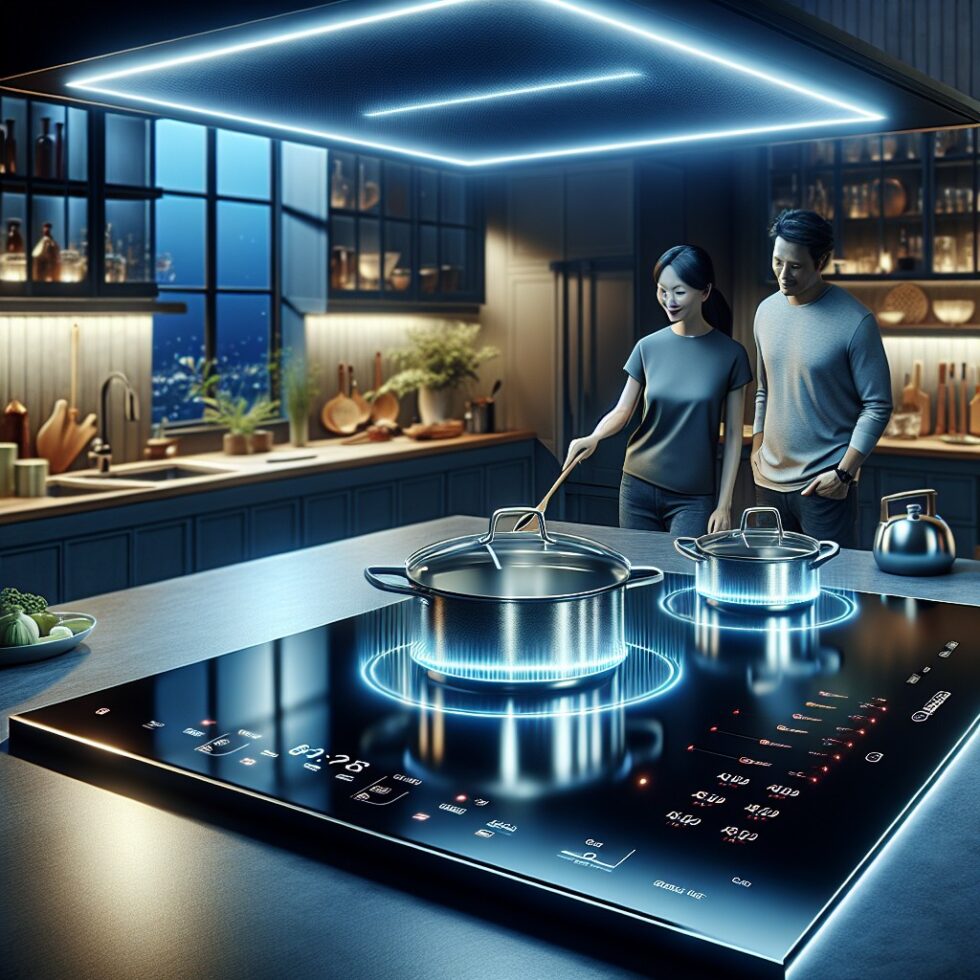
Induction has moved from chef lore to mainstream kitchen talk. It’s fast, precise, safer to touch around, and doesn’t fill your home with combustion byproducts. But most people still hit the same blockers: power questions, cookware confusion, fan and hum noises, and the logistics of replacing a gas range. This guide cuts through the noise so you can make a no‑drama switch, whether you’re in a studio with a single 15 A circuit or outfitting a full kitchen remodel.
Why Induction Now
Induction is popular because it solves several everyday problems at once:
- Speed: Water boils in minutes. A pan reaches searing temperature fast and recovers heat quickly after food hits.
- Precision: Low settings hold a bare simmer or melt chocolate without scorching. Many models offer fine power steps or even temperature targets.
- Safety: The glass top gets hot from the pan, not from an open flame. Burn risk and kitchen fire risk drop, and most units add child locks, pan detection, and auto shutoff.
- Cleaner air: No combustion at the cooktop means fewer indoor pollutants. You still need ventilation for steam and grease, but you’re reducing the source load.
- Efficiency: Energy goes into the pan directly. You waste less heat into the room, useful in warmer climates and small apartments.
How Induction Actually Works (Plain English)
An induction coil under the glass creates a changing magnetic field. If your pan is made of a magnetic material (think cast iron or some stainless steels), electrical currents flow in the base, and the pan becomes the heating element. The cooktop just coordinates power flow and keeps itself from overheating with cooling fans. That’s why the surface beyond the pan stays relatively cool, and why pan quality matters.
What That Means For You
- Pan compatibility matters: A simple magnet test on the base usually tells you if it will work.
- Flat bottoms win: The closer and flatter the contact, the quieter and more efficient the cook.
- Power is shared: On multi‑zone units, burners often share total power. “Boost” on one zone reduces available power on others.
Pick Your Setup: Portable, Range, or Built‑In
Your home’s wiring, space, and budget decide the best first step. Here are practical options that work well in real kitchens.
Option 1: A Single Portable Hob (120 V, 15 A)
Best for renters, small kitchens, and cautious testers. A quality 1,800 W portable can boil a liter of water in about 4–6 minutes and cook most daily meals. Look for at least 10–15 power steps, steady low‑end control, and a fan that doesn’t scream. Use a dedicated 15 A receptacle if you can, and don’t run a toaster on the same circuit.
Option 2: Dual‑Hob Portable or Countertop Unit
Two‑burner units are great for simple dinners. Many share a single 1,800–2,000 W limit, so you can’t run both sides at full blast concurrently. If you often sear and simmer at the same time, you’ll feel the constraint. Some premium portables run on 240 V and double the headroom, but they require a special outlet and often a dedicated circuit.
Option 3: Full Induction Range (Slide‑In or Freestanding)
Best for a permanent switch from gas or electric coil. Ranges typically need a 240 V, 40–50 A circuit. Expect up to 3,600 W on a single burner in boost, with ~7–10 kW total shared across zones. You get a matching electric oven (often convection), which simplifies installation compared to a cooktop + wall oven.
Option 4: Built‑In Induction Cooktop + Separate Oven
Great for custom kitchens. Cooktops often require 240 V, 30–40 A. Specs vary widely: check the total connected load, number of power levels, bridging support for griddles, and low‑end stability.
Power Math Without the Headache
If you’re in North America:
- 120 V circuits: 15 A circuits deliver up to ~1,800 W; 20 A up to ~2,400 W. Most single portables live here.
- 240 V circuits: A 40 A range circuit supports up to ~9,600 W total. Real‑world draw is dynamic and managed by the cooktop to protect breakers.
In other regions, similar principles apply with 230 V mains: a single zone can still deliver 2–3.7 kW depending on the model.
Wiring Notes You Should Not Skip
- Dedicated circuits: Full ranges or cooktops should have dedicated circuits sized per the manual. Don’t piggyback a dishwasher or microwave.
- Receptacles: Many North American ranges use NEMA 14‑50 (four‑wire) plugs. Some appliances hardwire. Follow the appliance instructions and local code.
- Protection: Kitchens need GFCI protection on 120 V receptacles; 240 V GFCI/AFCI rules vary by jurisdiction. Consult a licensed electrician for upgrades and panel checks.
Cookware: What Works, What Doesn’t, and Why
Induction’s magic depends on the pan’s base. Here’s how to know if your current cookware will play nice.
The Magnet Test
Hold a fridge magnet to the bottom of the pan. If it sticks firmly, it’s likely induction‑ready. If it slips or falls, pass.
Materials That Shine on Induction
- Cast iron and enameled cast iron: Excellent heat retention and searing. Heavy; ensure a flat base to avoid rocking.
- Carbon steel: Lighter than cast iron, great for woks and everyday pans if the base is flat.
- Magnetic stainless (430 or “induction‑capable” clad): Multilayer pans with a ferritic base offer even heat and less warping.
Materials That Struggle
- Aluminum and copper without a magnetic base: No go unless labeled for induction (they’ll have a bonded magnetic layer).
- Nonstick pans can work if they have an induction base; check labeling and avoid cheap warped discs that buzz and heat unevenly.
Pan Size and Shape
Cooktops detect a pan by sensing load across the coil. If a small pan sits on a large ring, the unit might not detect it at low power. Many models specify a minimum pan diameter for each zone. Flat bottoms are critical—warping causes hot spots and that “humming” people complain about.
Woks on Induction
Round‑bottom woks only heat properly on specialized concave induction units. A flat‑bottom carbon steel wok is a solid choice for everyday stir‑fries on a standard zone. Preheat thoroughly and use a bit less load than on gas while you learn the heat profile.
Cooking Techniques: Same Results, Different Habits
Induction cooks food like any other method—you’re still applying heat to the pan and then to the food. But the control is different, and that’s a good thing once you adapt.
Fast Boils and Pasta Nights
- Use “boost” to hit a rolling boil quickly.
- Lid on to speed up; lid off for evaporation control once boiling.
- Watch for boilovers; many units have spill detection or timers—use them.
Better Searing Without the Smoke Show
- Dry your proteins. Patience on preheat yields better crust.
- Use a thin sheen of high‑smoke‑point oil and heat the pan, not the oil alone.
- For delicate fish or eggs, drop to medium‑low early. Induction responds fast, so fine adjustments pay off.
Low‑End Control for Sauces and Chocolate
Induction shines under 1000 W. Many premium units allow dozens of power steps or show approximate wattage. If your model has temperature modes for oil or pan surface, test with a small batch first and note settings you like. Consider a probe thermometer for repeatable candy or caramel stages.
Noise, Heat, and Quirks You’ll Notice
Fans cool the electronics. The pitch and volume vary by brand and model. Pans can hum or buzz at certain power levels, especially thin or poorly bonded bases. Heavier, flatter cookware reduces this. You’ll also feel less waste heat in the room—nice in summer—because the glass isn’t the heat source.
EMI and Health Notes
Induction generates electromagnetic fields to heat cookware. Field strength drops with distance, and standards limit exposure. Reputable agencies consider induction cooktops safe when used as directed. If you use implanted medical devices like pacemakers, consult your physician and the device maker for distance guidelines and any specific precautions.
Ventilation: Yes, You Still Need a Hood
No flames doesn’t mean no ventilation. Cooking still drives steam, grease aerosols, and food odors into the air. A ducted range hood is best. Recirculating hoods help with odors if you replace filters regularly but won’t remove moisture. Position the hood to capture rising plumes and run it at the lowest effective speed to reduce noise. With induction, you may notice fewer smoke events because you can dial heat precisely, but keep the hood habit.
Safety Features Worth Caring About
- Pan detection: Heat only flows with a compatible pan present.
- Residual heat indicators: Surfaces can still burn; trust the indicator and your hand wave test.
- Auto shutoff: Boil dry detection, timeouts, and spill sensors reduce oops moments.
- Child lock: Prevents accidental activation and curious knob twists.
Buying Advice: What Specs Actually Matter
- Low‑end stability: Can the unit hold a bare simmer or 150–170 °F reliably? Reviews mentioning constant cycling at low power are a red flag for sauces.
- Power steps: More granular control beats coarse 1–9 scales. Bonus if the display shows estimated watts.
- Max burner boost: Look for 2.8–3.7 kW on at least one zone if you sear often or boil large pots.
- Sharing map: Zones often share power in pairs. Check the manual’s load groups to avoid surprises.
- Bridge zones: Useful for griddles and oblong pans if you like pancakes or plancha‑style cooking.
- Noise profile: Fans and coil hum vary. In‑store demos and owner reviews help.
- Controls: Knobs are intuitive; touch sliders are easy to clean. Timers per zone are a plus.
- Warranty and service: Glass tops and power electronics are repairable; know parts availability and service networks.
Costs and Payback
Portables start around modest prices for a single hob, climbing with better control and quiet fans. Full ranges run mid to high four figures depending on features. Savings depend on local gas and electricity rates; induction is efficient but not magic. Count on non‑financial wins too: less heat in the kitchen, fewer scorch marks, speed, and comfort. For many households, a single portable unit pays for itself in convenience alone as a second “burner” during holidays and meal prep sprints.
Migration Plans That Don’t Break Your Week
Renters and Cautious Switchers
- Start with a single portable hob and a magnetic skillet. Cook your top three weekday meals for a month and see what changes.
- Use the gas burner only when you need more zones. Track how often you actually touch it.
- Store the portable on a cutting board to protect counters and for quick setup/teardown.
Owners Replacing a Gas Range
- Plan the circuit: Schedule an electrician to add a 240 V, 40–50 A circuit if you don’t have one. Confirm panel capacity.
- Cap the gas safely: Hire a licensed plumber to disconnect and cap the line, then pressure‑test for leaks.
- Ventilation check: Keep your ducted hood; if you don’t have one, this is a good time to add it.
- Cookware audit: Do the magnet test ahead of delivery day; replace only what’s necessary.
Maintenance and Care
- Daily cleaning: Let the glass cool, then wipe with a damp cloth and mild cleaner. A razor scraper handles stuck bits gently.
- Sugar spills: Clean immediately. Caramel can etch hot glass if left to cool and harden.
- Avoid drag: Lift heavy cast iron rather than dragging to prevent micro‑scratches.
- Vent hood filters: Swap or wash as recommended; cleaner filters mean less noise and better capture.
Troubleshooting: Quick Fixes for Common Issues
- Pan not detected: Check magnetism, pan size vs. zone, and make sure the base is centered and flat. Try a different zone.
- Buzzing or ticking: Lower power slightly, try a heavier pan, or add a thin paper towel as a temporary dampener during simmer (check your manual; avoid this at high heat).
- Breaker trips: You may be sharing a circuit with another heavy load, or your appliance is on too small a breaker. Call an electrician to check sizing and connections.
- Uneven simmer: Use a pan with a thicker base or a smaller zone with better pan matching.
Edge Cases and Special Setups
Off‑Grid, RVs, and Boats
Induction is doable, but power budgeting is strict. A 1,800 W hob at 120 V draws ~15 A AC; from a 12 V battery, that’s over 150 A before inverter losses. Use lower power settings, cook with lids, and stagger tasks. Consider a 24/48 V system and inverters sized for cooking surges. Portable butane or propane (outside or with marine‑grade ventilation and detectors) can remain a backup for emergencies.
Wok Hei Seekers
High‑power gas woks give intense localized heat. For induction, use a flat‑bottom carbon steel wok, preheat well, cook in smaller batches, and finish sauces with precision on low. Some premium induction units with concave wok zones exist, but they are niche and pricey.
AM Radio and Kitchen Gadgets
Induction can create electromagnetic interference in the AM band. Keep AM radios a few feet away and try different power levels. Modern kitchen scales and thermometers are usually fine, but if a device glitches, move it off the glass or reduce induction power during measurement.
Myths to Skip
- “Induction can’t sear”: It can sear brilliantly with the right pan and preheat.
- “You need all‑new cookware”: Many households already own cast iron or magnetic stainless that works.
- “No hood needed”: You still create steam and aerosols; a hood remains smart.
- “Induction is fragile”: The glass can scratch or crack under abuse, but with normal care it lasts—like any glass‑ceramic top.
Putting It All Together
Start small if you’re unsure. A single well‑chosen portable and one good pan will show you the speed and control in a week. If you love it—and most people do—step up to a full range or cooktop with the wiring to match. Focus on low‑end stability, boost power, and zone sharing behavior. Keep your hood. Keep your fingers safer. And enjoy cooking in a cooler kitchen.
Summary:
- Induction heats the pan directly for speed, precision, and a safer surface.
- Start with a 120 V portable if you rent; move to a 240 V range or cooktop for permanent installs.
- Check wiring, use dedicated circuits, and follow local code with a licensed electrician.
- Use magnetic, flat‑bottom pans; cast iron, carbon steel, and induction‑ready stainless shine.
- Induction still needs ventilation; a ducted hood is best.
- Key specs: low‑end control, power steps, boost watts, zone sharing, and noise profile.
- Common quirks: fan hum and pan buzz; mitigate with heavier, flatter cookware and power tweaks.
- Migration tips: test with a portable, cap gas safely, and audit cookware before delivery.